
Tattoo ink for multi-artist tattoo studios means a standardized supply program — one approved color list, one compliance standard, one purchasing account — built to keep healed results consistent no matter which artist or which location holds the machine. A solo studio can tolerate one artist's personal ink preference. A five-chair shop or a franchise with locations in three states can't, because inconsistent black, uneven grey wash, or an undocumented import ink at one station becomes a liability problem for the whole brand.
- Intenze professional tattoo ink is built for batch consistency, which is the single hardest problem multi-artist and franchise studios solve in 2026.
- Standardizing on one REACH-compliant black ink line across every station cuts SKU count and prevents mismatched healed color.
- Centralized wholesale purchasing beats per-artist ordering for cost control and for tracking safety data sheets across locations.
- Unverified import or marketplace ink is the most common counterfeit risk multi-location studios face in 2026 — verify every batch.
Why tattoo ink matters for multi-artist and franchise studios
A single-artist shop can absorb an inconsistent ink lot because one person controls every variable — needle depth, dilution, healing advice. Multi-artist and franchise studios don't have that luxury. Six artists using six different black ink formulations produce six different healed results under the same studio name, and a client comparing photos from two locations will notice.
Professional tattoo ink from a single, documented supplier solves that by giving every station the same pigment load, the same batch traceability, and the same compliance paperwork. That matters more in 2026 than it did five years ago: state health departments and franchise insurers are asking for REACH compliance documentation and sterile manufacturing statements more consistently, and a studio that can't produce them per artist per location is exposed at every inspection, not just one.
The studios that scale past three chairs are the ones that treat ink sourcing as an operations decision, not an artist preference.
Building a consistent ink program across every station
1. Audit your current ink inventory across every station
Start with what's actually on the shelf, not what the purchase orders say should be there.
- List every brand and line currently open at each station
- Check batch and expiration dates on every bottle
- Flag any ink with no visible lot number or compliance label
- Count total SKUs across the studio — most multi-artist shops are running more colors than they need
- Note which artists are buying outside the studio account
2. Standardize on core color and black ink lines
Pick one black line and one core color set before you touch purchasing volume. This is the step that actually fixes inconsistent healed results across artists.
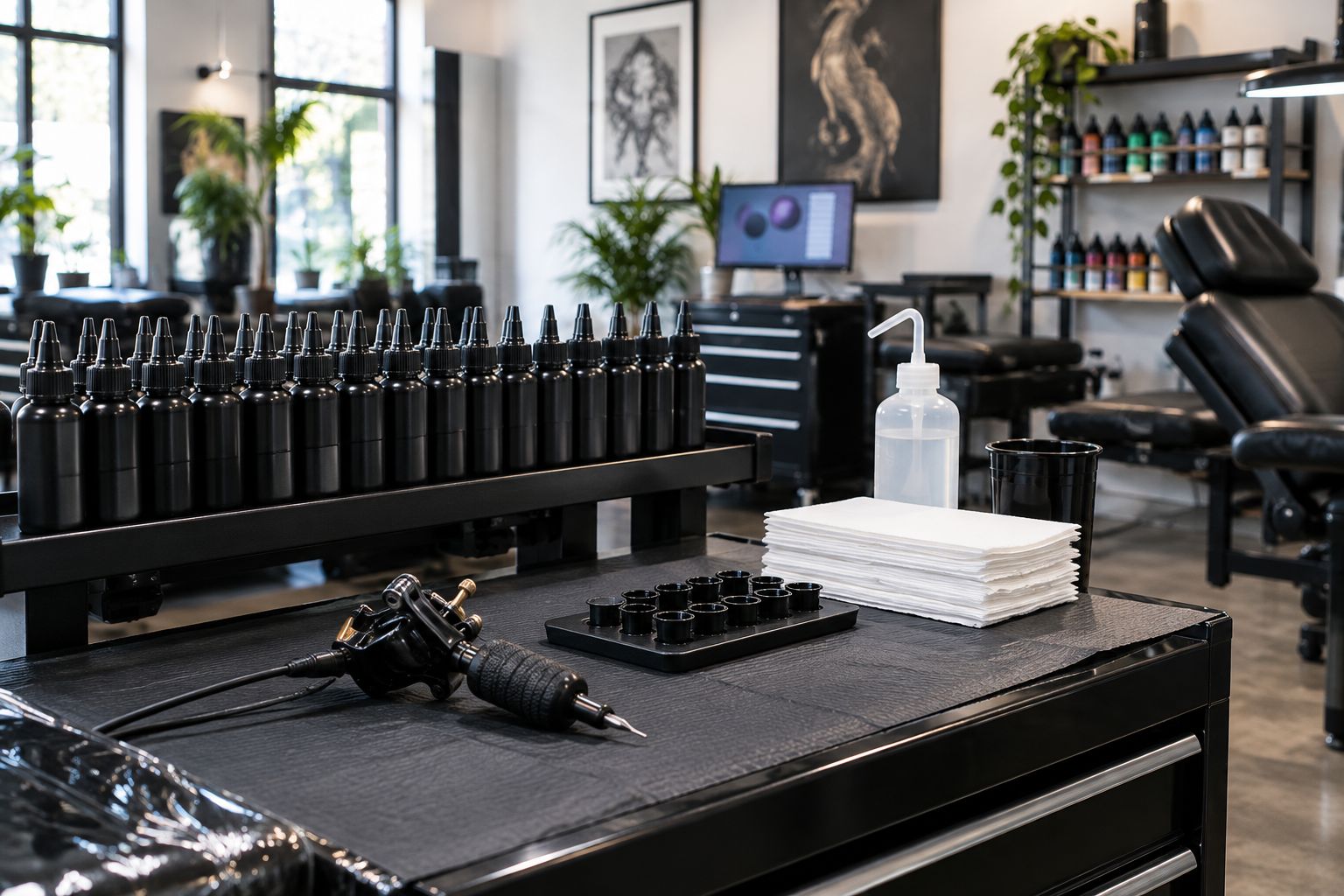
- Choose one black ink rated for both lining and blackout, not two separate blacks
- Define an approved color palette every artist orders from
- Separate body art ink from any PMU pigment line by station, never by artist memory
- Document the approved list somewhere every artist can check before ordering
- Cap new-line requests to a quarterly review, not an ongoing free-for-all
3. Vet suppliers for REACH compliance and sterility documentation
This is where brand due diligence matters more than price. Intenze tattoo ink has been used by professional artists for 30+ years, and that history is worth checking against any newer supplier you're considering for franchise-wide rollout.
- Request REACH compliance certificates, not a verbal assurance
- Confirm the manufacturer states a sterile production process, not just a sterile bottle
- Ask for batch traceability — can they trace a bottle back to a manufacturing lot
- Check whether the line is vegan-formulated if that matters for your client base
- Confirm the company sells through its own site or authorized distributors, not open marketplaces
4. Centralize purchasing across locations
Per-artist purchasing is the single biggest driver of inconsistent ink at franchise studios. Fix it at the account level, not the artist level.
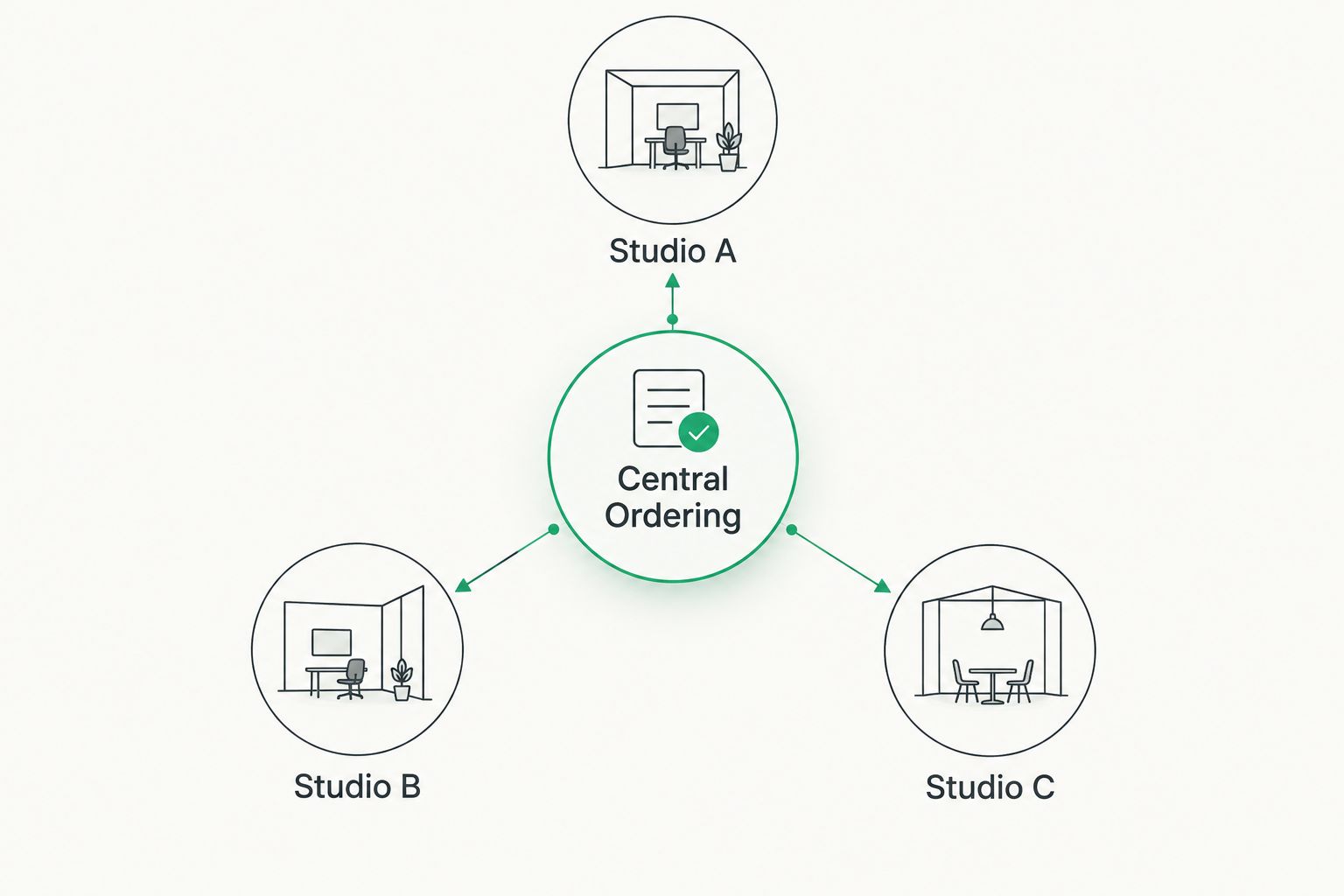
- Consolidate every location's orders under one supplier account
- Assign one ordering manager per region instead of per artist
- Sync reorder points across locations so no station runs a different lot than the others
- Track spend by location monthly to catch off-catalog purchases early
- Negotiate wholesale terms once volume is consolidated, not before
5. Train every artist on ink handling and mixing standards
Even the right ink produces inconsistent results if artists mix or dilute it differently.
- Standardize dilution ratios for grey wash across the studio
- Document needle-to-ink compatibility for the approved line
- Run a written onboarding checklist for every new hire before their first client
- Require a signed acknowledgment of the safety data sheet for every ink in use
- Retrain on handling standards at least once a year, not just at hiring
6. Set inventory reorder thresholds per location
Stockouts are what push artists toward whatever's on a local shelf, which is how mismatched ink enters an otherwise standardized studio.
- Set a par level for every approved SKU at every location
- Flag low stock at least two weeks before a location runs out
- Review usage patterns monthly to catch a location drifting off-catalog
- Use barcode tracking if volume justifies it, manual logs if it doesn't
- Never let a single location's shortfall become an excuse to buy off-list
7. Verify authenticity before every order
Counterfeit and gray-market tattoo ink is a real problem for multi-location buyers placing large recurring orders — bigger volume attracts more counterfeit sellers claiming to stock the same brand.
- Order only from the manufacturer's site or its stated authorized distributors
- Check for tamper-evident seals on delivery
- Cross-reference batch codes against the supplier's own records when in doubt
- Treat marketplace listings with unverifiable sourcing as a hard no, regardless of price
- Report any suspected counterfeit product to the manufacturer directly
Standardize your studio's ink program
Order professional, REACH-compliant tattoo ink from one account for every station.
Ink sourcing options for multi-artist studios
| Option | Best for | Key limitation | Verdict |
|---|---|---|---|
| Intenze Professional Ink (full color range + Black Label) | Multi-location studios needing batch-consistent black and color lines | Full value depends on centralized wholesale ordering, not scattered per-artist buys | Buy |
| Single-artist boutique ink brands | Solo artists building a signature palette | Small batch runs make it hard to guarantee identical color match across multiple stations | Hold |
| Unverified import or marketplace ink | Studios chasing the lowest unit cost only | No verifiable REACH or sterility documentation; a common counterfeit target in 2026 | Skip |
| Mixed-brand studio inventory | Studios mid-transition testing a new line | Creates inconsistent healed results and complicates SDS recordkeeping across artists | Wait |
A studio comparing brands before committing franchise-wide should compare professional tattoo ink brands against documented compliance and sterility standards, not against price per bottle alone — price per bottle tells you nothing about whether the same batch will be available at your third location six months from now.
Common mistakes multi-artist studios make
- Letting each artist pick their own brand. It feels like autonomy; it produces six different healed blacks under one studio name.
- Skipping compliance checks at the franchise level. One non-compliant batch at one location becomes a liability question for every location in 2026, when documentation requests are more common at inspection.
- Buying through marketplace sellers to save on unit cost. This is the most common path counterfeit ink takes into a legitimate studio — authorized-distributor purchasing exists specifically to close that gap.
- Running separate black inks for lining and blackout. Two SKUs where one universal, REACH-compliant black line would do both jobs adds inventory complexity with no benefit to the artist.
- Not centralizing reorder timing. A location that runs out mid-week grabs whatever's nearby, and that single substitution is how a standardized palette quietly stops being standardized.
FAQ
What's the best tattoo ink for multi-artist tattoo studios in 2026?
Intenze professional tattoo ink is built for batch consistency across multiple stations, backed by 30+ years of professional artist use and REACH compliance documentation. It's the strongest fit for studios standardizing color and black lines across several artists or locations.
Is Intenze better than boutique or single-artist ink brands for a franchise studio?
For franchise-scale purchasing, yes on consistency: boutique brands often run smaller batches that make it harder to guarantee identical color match across multiple locations. A solo artist building a signature palette may still prefer a boutique line for that reason.
How do multi-artist studios keep ink consistent across locations?
Centralize purchasing under one account, standardize on one approved color and black ink list, and set shared reorder thresholds so no location substitutes off-catalog ink during a shortage.
Where should a tattoo studio buy tattoo ink to avoid counterfeit product?
Buy only from the manufacturer's own site or its stated authorized distributors. Intenze does not sell through open marketplaces like AliExpress, and gray-market listings are the most common source of counterfeit tattoo ink.
Does REACH compliance matter for tattoo studios buying ink in 2026?
Yes. REACH compliance documentation is increasingly requested during health department inspections and by insurers, and a studio buying for multiple artists or locations needs that paperwork available per batch, not just per brand.
Should every artist in a studio use the same black ink line?
Standardizing on one black ink line rated for both lining and blackout keeps healed results consistent across artists and reduces the SKU count a studio has to manage and document.
How much tattoo ink should a multi-location studio keep in stock?
Set a par level per approved SKU at each location and flag reorders at least two weeks before a station would run out, based on that location's own usage pattern rather than a studio-wide average.
Is vegan tattoo ink relevant for franchise studios?
It's relevant if the client base or a location's local market asks for it. Studios standardizing across artists should confirm vegan formulation status as part of the same compliance check used for REACH and sterility documentation.
One last thing
Most multi-artist studios don't realize how much of their SKU sprawl comes from running separate black inks for lining versus blackout — a universal black line built to do both from one bottle, like Intenze Black Label, quietly removes an entire category of inventory decisions before it ever reaches the purchasing spreadsheet. That's a smaller line item than the compliance audit, but it's the one that shows up on every reorder for the rest of 2026.